Packaging Solutions for Different Industries
Different industries place very different demands on their packaging. A landscaping contractor moving loose aggregates needs a different solution from a retailer dispatching customer orders or a manufacturer protecting long, awkward components.
The right packaging should suit the product’s weight, dimensions, surface, handling method and storage conditions. Choosing carefully can make goods easier to organise, protect and transport without using stronger or more complicated packaging than the job requires.
Martins Mill Packaging supplies packaging products for construction, agriculture, recycling, manufacturing, retail, warehousing and general commercial use.
Construction and Landscaping
Construction and landscaping businesses regularly handle dense, loose and abrasive materials such as sand, gravel, soil, stone and rubble.
Suitable packaging may include:
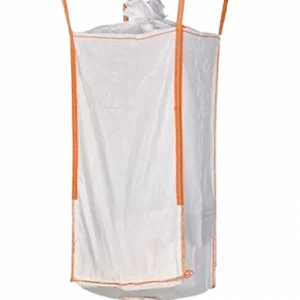
- Bulk bags for loose materials and suitable site waste
- Heavy-duty polypropylene sacks for smaller quantities
- Rubble sacks for manageable renovation and landscaping waste
- Sandbags for temporary flood preparation and ballast
- Polythene sheeting for covering appropriate tools and materials
The bulk tonne bag range includes standard builders bags, mini-profile bags, taller recycling bags and barrow truck bags.
Always check the individual bag’s safe working load, dimensions and intended use. The common name “one-tonne bag” does not mean every bulk bag is suitable for every one-tonne load.
Agriculture and Produce
Agricultural packaging may need to contain loose products while allowing practical filling, storage and handling. Some fresh produce also benefits from packaging that permits airflow.
Options can include:
- Woven polypropylene sacks for suitable dry produce and agricultural materials
- Net and mono net bags for fruit and vegetables
- Bulk bags for soil, feed and loose materials
- Wire ties for closing suitable sacks
- Polythene bags for smaller quantities of appropriate products
The polypropylene bag range includes standard and heavy-duty sacks, net bags and larger recycling bags.
Packaging intended for food or animal-feed applications should be checked carefully. Confirm that the exact product is suitable for the contents and follow any hygiene, traceability and storage requirements that apply to the business.
Textiles, Carpets and Fabric Rolls
Textiles, carpets and rolled materials can be difficult to pack because their length may not suit a standard box or bag.
Continuous tubing can be cut to match the product, helping businesses avoid using an oversized fixed-length sack. Martins Mill Packaging supplies both polypropylene spiral-sewn tubing and polythene layflat tubing.
Polypropylene tubing is breathable and can provide a flexible covering for carpets, fabrics and other cylindrical products. Layflat polythene tubing does not stretch in the same way, but it can be cut to length and sealed using appropriate equipment.
Before choosing, consider:
- The diameter and length of the roll
- Whether the product requires ventilation
- How the ends will be closed
- Whether the surface could snag or mark
- The conditions in which it will be stored or transported
Recycling and Waste Handling
Recycling businesses often need packaging that keeps materials separated and contained before processing or collection.
Depending on the material and handling process, suitable products may include:
- Large bale recycling bags with lids
- Envelope-style baler bags
- Jumbo bulk bags with filling or discharge spouts
- Clear sacks for identifying separated materials
- Heavy-duty bags for rougher recyclable contents
Different waste streams should be kept separate where required. Bags that have held chemicals, oils, asbestos or other hazardous substances must not be placed into ordinary recycling without advice from an authorised waste contractor.
Manufacturing and Warehousing
Manufacturing and warehouse teams may need several types of packaging within the same operation. Components might arrive in bulk, move between departments and later be packed for customer delivery.
Common requirements include:
- Grip-seal bags for small components and kits
- Cardboard boxes for storage and dispatch
- Pallet wrap for containing stacked goods
- Strapping for pallets, cartons and industrial bundles
- Cable and wire ties for organisation and fastening
- Protective paper, bubble wrap and foam profiles
Packaging should be chosen for the full process. Consider how items will be picked, counted, labelled, moved and delivered rather than focusing only on the final parcel.
Where staff repeat the same packing task, a standard method can improve consistency and reduce unnecessary material use.
Retail, E-Commerce and Postal Dispatch
Retailers and online sellers need packaging that protects products while remaining practical to assemble, label and send.
A typical packing setup may include:
- Single or double wall cardboard boxes
- Mailing bags and padded mailers
- Bubble wrap for fragile products
- Kraft paper for wrapping and void fill
- Postal tubes for rolled documents and prints
- Packing tape and document wallets
The box or mailing bag should be close to the packed product size. Oversized packaging can increase void fill, parcel dimensions and the opportunity for goods to move during handling.
Fragile items should be wrapped and separated individually, while empty spaces should be filled sufficiently to restrict movement.
Bulky and Irregularly Shaped Products
Machinery, furniture, long components and unusual products may not fit standard boxes. Depending on the item, suitable options can include tubing, heat-shrink sheeting, pallet covers, protective wrap or made-to-measure cardboard packaging.
Martins Mill Packaging manufactures custom cardboard boxes at its Halifax premises. Boxes can be produced to specified dimensions and strength requirements, with trial batches available before committing to larger quantities.
Custom packaging may be worth considering when:
- Standard boxes leave excessive empty space
- The product has unusual dimensions
- Regular orders use large amounts of void fill
- A consistent packing method is needed
- The product requires additional internal support
How to Choose Packaging for Your Industry
Industry type provides a useful starting point, but the individual product and handling process should guide the final decision.
Before ordering, establish:
- The dimensions and approximate weight of the contents
- Whether the product is fragile, sharp or abrasive
- Whether it needs ventilation or moisture protection
- How the package will be lifted and moved
- Whether it will be stacked
- The expected storage and transport conditions
- Whether any food, chemical or other regulatory requirements apply
A product described as heavy duty, reusable or suitable for industrial use is not automatically suitable for every load. Check the exact specification, safe working limits and application instructions.
Find Packaging That Fits the Job
The best packaging solution is not necessarily the largest, thickest or most expensive option. It is the one that matches the contents, handling method and journey while remaining practical for the people using it.
Martins Mill Packaging supplies products for a wide range of industries and can manufacture custom cardboard boxes where standard sizes are unsuitable. Contact the team with details of the product, dimensions, weight and intended use for help narrowing down the available options.

Martins Mill Packaging
We are a Halifax, West Yorkshire based supplier of high quality industrial and commercial packaging, materials & solutions, providing local and national deliveries, and competitive pricing, and have been trading for over 20 years.