Unveiling Heavy Duty Packaging Solutions: An In-depth Look at Polypropylene Bags
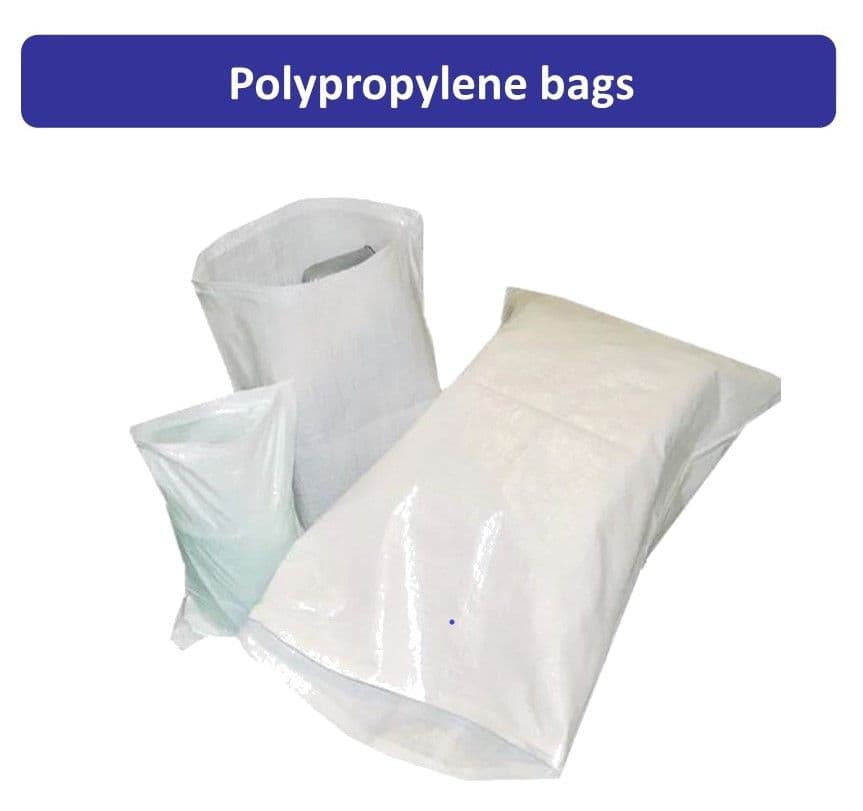
Heavy-duty polypropylene bags provide a stronger alternative to ordinary sacks when materials are heavy, abrasive or difficult to contain. Their woven construction makes them useful across construction, agriculture, recycling, warehousing and general industrial work.
They are particularly suitable when a standard-duty sack may be vulnerable to wear or puncturing. However, the bag must still be matched to the contents, handling method and required size.
Martins Mill Packaging supplies heavy-duty polypropylene bags in several dimensions for demanding commercial and industrial applications.
What Makes These Bags Heavy Duty?
The current range is manufactured using a 12/12 woven polypropylene construction. The smallest 30 × 45 cm bag is supplied in 1000-denier material, while the larger sizes use 1200-denier material.
This heavier construction can provide greater resistance to wear than lighter polypropylene sacks. Stitched seams also help keep the bag together when it is filled and handled appropriately.
The bags remain lightweight and flexible when empty, allowing them to be folded and stored until required.
Construction and Building Materials
Heavy-duty polypropylene bags can be useful for manageable quantities of building and landscaping materials, including:
- Sand and aggregates
- Soil and fertiliser
- Small pieces of rubble
- General building materials
- Suitable workshop and site waste
Dense materials become heavy quickly, so bags should not be filled simply according to the available space. The finished load must remain manageable and suitable for the intended handling method.
Large, jagged pieces of concrete, protruding metal and materials with sharp fixings may require a rigid container or another specialist option.
Agriculture and Landscaping
The woven construction allows air to pass through the material, which can make these sacks useful for suitable agricultural and landscaping products.
Possible uses include:
- Soil and compost
- Animal feed and suitable dry produce
- Fertilisers
- Seeds and grains
- Bark, mulch and garden materials
Food, feed and agricultural products may be subject to hygiene, traceability or contamination controls. Check that the exact bag is suitable for the contents rather than relying only on the material description.
Recycling and Warehouse Storage
Heavy-duty sacks can help businesses collect, separate and store suitable recyclable materials or workshop products.
They may be used for:
- Recycled clothing and textiles
- Packaging offcuts
- General workshop components
- Parcels and mail bags
- Non-hazardous recyclable materials
Keeping different materials in separate, labelled sacks can make stock identification and waste sorting easier.
Do not use an ordinary polypropylene bag for chemicals, oils, asbestos or other hazardous waste unless the precise packaging specification and waste procedure confirm that it is suitable.
Are Polypropylene Bags Waterproof?
Woven polypropylene can provide useful resistance to damp handling, but these bags should not automatically be treated as waterproof or airtight.
Fine powders may escape through the weave, while water can enter through the fabric, seams or opening. Products that require moisture protection or complete containment may need a compatible internal liner or a different packaging format.
The breathable construction may be beneficial for some contents, but unsuitable for others. Consider whether the product needs ventilation, moisture resistance or complete sealing before choosing the bag.
Can Heavy-Duty Bags Hold Sharp Items?
The heavier material is better suited to abrasive or sharp-edged contents than lighter sacks, but it is not puncture-proof.
When filling:
- Place items inside carefully rather than dropping them
- Keep pointed edges away from the seams
- Remove or cover exposed nails and fixings
- Avoid dragging the bag across rough ground
- Stop filling before the contents place excessive pressure on the fabric
A rigid container may be safer where items could pierce the sack or injure someone handling it.
Can the Bags Be Reused?
The current product range is described as reusable, provided each bag remains clean, undamaged and suitable for its next contents.
Before refilling a bag, inspect:
- The woven fabric for holes and worn areas
- The seams for loose or broken stitching
- The material for contamination
- The opening for tears caused by previous handling
- Any areas weakened by dragging or outdoor storage
Do not reuse a damaged bag simply with a lighter assumed capacity. If its condition is uncertain, remove it from use.
Choosing the Correct Size
The bag should provide enough room for the product without being unnecessarily large. An oversized sack may be awkward to handle, while one that is too small can place excessive pressure on its seams and opening.
Before ordering, consider:
- The dimensions and approximate weight of the contents
- Whether the material is sharp or abrasive
- How the bag will be filled and emptied
- Whether ventilation or a liner is required
- How far the filled bag will be carried
- Whether it will be stored indoors or outside
Businesses packing lighter or smoother materials may find that standard-duty polypropylene bags provide sufficient strength at a lower specification.
A Stronger Sack for Demanding Materials
Heavy-duty polypropylene bags are useful for heavier, rougher and more abrasive materials across building, landscaping, agriculture, recycling and warehousing.
Their stronger weave provides additional durability, but they must still be filled, handled and stored appropriately. They are not automatically waterproof, puncture-proof or suitable for hazardous contents.
For help choosing a size and grade, contact Martins Mill Packaging with details of the material, approximate weight and intended use.

Martins Mill Packaging
We are a Halifax, West Yorkshire based supplier of high quality industrial and commercial packaging, materials & solutions, providing local and national deliveries, and competitive pricing, and have been trading for over 20 years.