
Is Kraft Paper Better Than Bubble Wrap?
Kraft paper and bubble wrap are both widely used to protect products during storage, handling and delivery, but they do not perform exactly the same job.
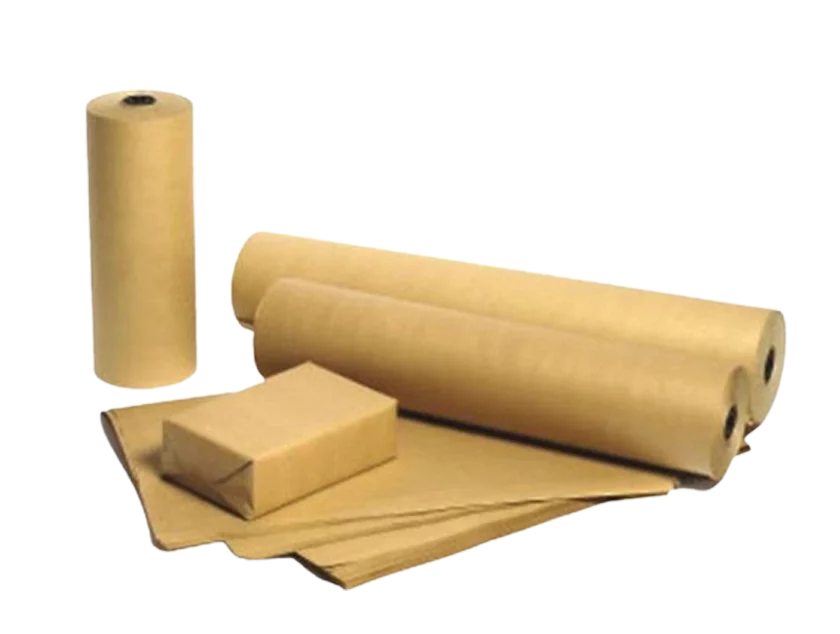
Kraft paper is useful for wrapping, separating products, protecting surfaces and filling empty space inside boxes. Bubble wrap provides a deeper cushioning layer for items that could crack, chip, dent or become damaged by knocks and movement.
Neither material is automatically better for every parcel. The right choice depends on the product, the amount of protection it needs, how it will be handled and the type of outer packaging being used.
Martins Mill Packaging supplies kraft paper rolls and sheets alongside small and large bubble wrap for commercial packing, storage and dispatch.
The Short Answer
Kraft paper may be better when a product needs light surface protection, tidy wrapping or void fill rather than substantial cushioning. It can suit clothing, books, boxed goods, stationery and other products that are unlikely to break during normal handling.
Bubble wrap is generally better for fragile, delicate or irregularly shaped items that need protection from impact. Glassware, ceramics, picture frames and vulnerable components are more likely to benefit from a cushioning layer around the product.
For many fragile parcels, the most suitable answer is to use both. Bubble wrap can cushion the product, while kraft paper fills the remaining space inside the box and helps prevent movement.
Kraft Paper and Bubble Wrap Compared
| Packaging Requirement | Likely Choice | Reason |
|---|---|---|
| Wrapping a non-fragile product | Kraft paper | Provides a tidy layer of light surface protection |
| Cushioning glass or ceramics | Bubble wrap | Air-filled bubbles help absorb knocks during handling |
| Filling small gaps in a carton | Kraft paper | Can be crumpled to help restrict movement |
| Protecting an irregularly shaped item | Bubble wrap | Can be wrapped around corners, curves and projections |
| Creating a paper-based presentation | Kraft paper | Provides a simple and traditional appearance |
| Packing several fragile items together | Both | Bubble wrap cushions each item while paper fills gaps |
| Protecting static-sensitive electronics | Specialist packaging | Ordinary paper and bubble wrap may not provide suitable ESD protection |
When Is Kraft Paper the Better Choice?
Kraft paper is a versatile option when the main requirement is wrapping, separation or void fill. It can be supplied in rolls or sheets and used at packing benches without requiring complicated equipment.
It may be suitable for:
- Clothing and textiles
- Books and printed materials
- Stationery and office products
- Giftware that is not particularly fragile
- Products already protected by retail packaging
- Separating items inside a carton
- Filling small spaces around boxed goods
Paper can also provide a more understated presentation than visible plastic cushioning. This can suit businesses that want products to arrive wrapped in a clean, simple material.
Presentation should not take priority over protection, however. An attractive sheet of paper will not compensate for an unsuitable box or inadequate cushioning around a fragile item.
Wrapping and Surface Protection
Kraft paper can help protect products from dust, light marks and contact with other items. It may be wrapped around books, boxed goods, metal products and other relatively robust items before they are placed into an outer carton.
The grade of paper matters. Pure kraft, imitation kraft, tissue, waxed paper and news offcut paper have different characteristics and should not be treated as interchangeable.
A heavier or more tear-resistant kraft paper may be needed for demanding wrapping work, while tissue paper can provide a softer presentation layer for suitable retail goods.
Bare kraft paper may not be appropriate directly against every polished or delicate finish. Where scratching, dye transfer or surface marking is possible, test the material or place a suitable protective layer between the paper and the product.
Void Fill
Crumpled kraft paper can be placed around a product to reduce empty space inside a box. This helps restrict movement and can provide light cushioning for less vulnerable goods.
Paper void fill works best when:
- The box is reasonably close to the packed product size
- The item is not excessively heavy
- The paper is distributed evenly
- The product does not require specialist impact protection
- The paper is not compressed so tightly that it damages the contents
Heavy products can flatten loose paper more easily than lightweight items. If the paper compresses during handling, space may develop and allow the product to move inside the carton.
Separating Multiple Products
Sheets of kraft paper can be placed between products to reduce rubbing and direct contact. This can be useful for stacked items, boxed stock and products with surfaces that need light protection.
Paper alone may not provide enough separation between fragile goods. Glass, ceramics and other breakable products should normally be wrapped individually and prevented from striking one another.
When Is Bubble Wrap the Better Choice?
Bubble wrap is intended to provide cushioning around a product. Its sealed air pockets help absorb some of the force created when a parcel is knocked, dropped or moved through a delivery network.
It may be more suitable for:
- Glassware and ceramics
- Picture frames and ornaments
- Bottles and jars
- Painted or polished components
- Products with vulnerable corners
- Small mechanical parts
- Delicate samples and prototypes
- Items travelling through several handling points
Bubble wrap should surround the vulnerable part of the product rather than being placed loosely at one side of the box. Several layers may be required depending on the item’s weight, shape and fragility.
Small Bubble Wrap
Small bubble wrap forms a relatively close-fitting layer around a product. It can be useful for smaller items, surface protection and the first cushioning layer around fragile goods.
It follows curves and corners more closely than larger bubbles, which can make it easier to wrap products with detailed or irregular shapes.
Large Bubble Wrap
Large bubble wrap creates a deeper cushioning layer and occupies more space. It may be helpful around larger products or where additional separation is needed between the item and the outer box.
The larger bubbles should not be used simply to compensate for a carton that is much too large. Choosing a better-fitting box usually produces a more stable parcel and reduces the amount of packaging required.
Protection for Corners and Projections
Corners, handles, rims and protruding parts are often more vulnerable than the main body of a product. These areas may need additional wrapping, corner protection or a fitted insert.
Do not pull bubble wrap tightly around a delicate projection if the pressure could bend or snap it. A rigid support or purpose-designed protective component may be more appropriate.
Which Material Provides Better Impact Protection?
Bubble wrap will generally provide better impact cushioning than a flat sheet of kraft paper. Its air pockets create a layer between the item and the source of the impact.
Crumpled kraft paper can also absorb some movement and provide light cushioning, but its performance depends on the amount used, the paper grade and how heavily it becomes compressed.
For products at a genuine risk of breaking, bubble wrap or another tested cushioning material is normally the safer starting point. Paper can then support the wrapped item and fill the remaining gaps.
The outer carton is equally important. Fragile items should be packed inside a strong box with enough room for protective material, but not so much room that they can slide from side to side.
Which Is Better for Preventing Movement?
Kraft paper is often useful for filling smaller empty spaces around products. It can be crumpled and shaped to fit gaps between the item and the carton.
Bubble wrap can also fill space, particularly large bubble wrap, but using several layers simply to fill an oversized box may be wasteful. A smaller carton or an appropriate void-fill material could provide a more efficient solution.
After packing, the product should remain in position when the closed box is moved gently. If it can still be felt or heard shifting, the packaging arrangement needs to be reviewed.
Do not fill the carton so tightly that the box bulges or the protective materials place pressure on fragile contents.
Which Is Better for Presentation?
Kraft paper usually provides the more decorative and traditional appearance. It can suit gifts, homeware, books, clothing and customer orders where the unboxing experience matters.
Paper can be folded neatly, layered with tissue or secured with a suitable paper label or tape. Businesses can also use it to create a consistent packing style across different product ranges.
Bubble wrap has a more functional appearance. For fragile products, this may be entirely appropriate because it shows that cushioning has been provided.
A business does not need to choose appearance over protection. Bubble wrap can be used around the product before it is placed inside an outer paper wrap or suitably presented carton.
Which Is More Cost-Effective?
Comparing only the purchase price of a roll can be misleading. The most cost-effective material is the one that provides the required protection without excessive use, avoidable damage or unnecessary packing time.
When comparing kraft paper and bubble wrap, consider:
- The amount used for each parcel
- The time required to wrap the product
- The storage space occupied by the rolls
- The completed parcel dimensions and weight
- The rate of damaged or returned orders
- Whether several materials are required
- How easily staff can follow the packing method
Kraft paper may provide better value for routine wrapping and void fill where substantial cushioning is not needed. Bubble wrap may justify its additional bulk where it helps prevent damage to fragile or valuable products.
Using an unsuitable material to save a small amount on packaging can lead to replacement stock, repeat delivery costs and additional staff time if an order arrives damaged.
Which Is the More Sustainable Option?
Paper is often preferred by businesses seeking to reduce plastic use, but broad environmental claims should be treated carefully. The answer depends on the exact material, how much is used, whether it contains coatings and what happens to it after delivery.
Clean, uncoated kraft paper may be accepted with paper and cardboard recycling. Waxed, laminated, heavily taped or contaminated paper may need to be handled differently, so recipients should check their local collection rules.
Bubble wrap is a plastic film. It is not accepted in every household recycling collection, although clean bubble wrap may be accepted at participating soft-plastic collection points. Local arrangements should be checked rather than relying only on a recycling symbol.
The bubble wrap supplied by Martins Mill Packaging contains a minimum of 30% recycled material. Where it remains clean and undamaged, it may also be suitable for reuse before recycling or disposal.
Product protection should remain part of the environmental decision. Packaging that prevents an item from being broken, returned and replaced may avoid additional product waste and transport.
A practical approach is to:
- Choose a box that fits the product properly
- Use paper where it provides adequate protection
- Reserve deeper cushioning for products that need it
- Avoid unnecessary layers
- Reuse clean packaging where appropriate
- Provide accurate disposal information where possible
Can Kraft Paper Replace Bubble Wrap?
Kraft paper can replace bubble wrap for some products, particularly when the main requirement is light wrapping, surface separation or void fill.
It may be an appropriate replacement for:
- Soft goods and textiles
- Books and stationery
- Products inside strong retail boxes
- Robust components with no vulnerable finish
- Orders requiring light separation rather than cushioning
It should not automatically replace bubble wrap around products that could crack, chip or become damaged by impact. Before making a change across a whole product range, test representative parcels under realistic handling conditions.
A business moving from bubble wrap to paper may also need to change its box sizes or packing method. Simply substituting one sheet of paper for an established cushioning layer is unlikely to produce the same result.
Can Bubble Wrap Replace Kraft Paper?
Bubble wrap can provide both wrapping and cushioning, but it may not be the most efficient material for every part of a parcel.
Using bubble wrap to fill every small gap can add unnecessary volume. Kraft paper may be easier to shape into narrow spaces and can provide a neater presentation for suitable goods.
Bubble wrap also does not provide the same paper-based appearance as kraft wrapping. Retailers may therefore prefer to keep paper as the visible presentation layer while using cushioning only where it is needed.
When Should You Use Both?
Using both materials is often appropriate for fragile goods travelling through parcel or courier networks.
Examples include:
- A ceramic item wrapped in bubble wrap with paper around it to prevent movement
- Several individually wrapped glass products separated by paper and cardboard dividers
- A delicate component cushioned with bubble wrap inside a paper-lined carton
- A gift item protected with bubble wrap before being covered by a decorative paper layer
- A mixed order containing both robust and fragile products
Each fragile product should be wrapped and separated individually. Do not place several breakable items inside one loose layer of bubble wrap and assume that this will stop them knocking together.
Are Either Suitable for Electronics?
Ordinary bubble wrap and kraft paper may provide physical protection, but that does not mean they are suitable for every electronic component.
Static-sensitive devices can require packaging with tested electrostatic discharge properties. Standard clear bubble wrap should not be described or relied upon as antistatic unless the product specification confirms this.
Businesses packing circuit boards, electronic assemblies and sensitive components should follow their ESD-control procedures and use appropriately specified bags, foams, wraps or containers.
Physical cushioning may still be needed around the specialist packaging, but it should not undermine the required static protection.
Test the Packing Method
Businesses sending the same goods repeatedly should develop a consistent packing method for each product rather than allowing every parcel to be prepared differently.
A useful packing review should consider:
- The product’s size, weight and vulnerable areas
- The strength and dimensions of the box
- The amount of paper or bubble wrap required
- Whether the contents can move
- Whether several items can strike one another
- How the parcel will be handled and delivered
- Previous damage, returns or customer feedback
Prepare a representative parcel and inspect it carefully. For fragile or valuable goods, a more formal packaging trial may be appropriate before the method is used for regular dispatch.
The final method can then be recorded using photographs and simple instructions, helping staff use a consistent amount of material.
Choose According to the Product
Kraft paper is often the better option for tidy wrapping, light surface protection, separation and void fill. Bubble wrap is generally more appropriate where a fragile product needs cushioning against knocks and movement.
Neither material will protect an item properly if the outer box is weak, badly sized or left with unsupported space. Browse the wider packing and wrapping range to compare paper, cushioning, boxes, tape and other materials that can form a complete packing system.
For help selecting kraft paper, bubble wrap or a combination for a particular product, contact Martins Mill Packaging with details of the item’s dimensions, weight, fragility and delivery method.

Martins Mill Packaging
We are a Halifax, West Yorkshire based supplier of high quality industrial and commercial packaging, materials & solutions, providing local and national deliveries, and competitive pricing, and have been trading for over 20 years.


