
Safeguarding Your Products: The Role of Pallet and Handy Wrap
Pallet wrap and handy wrap are made from similar stretch film, but their different widths make them suitable for different packing jobs.
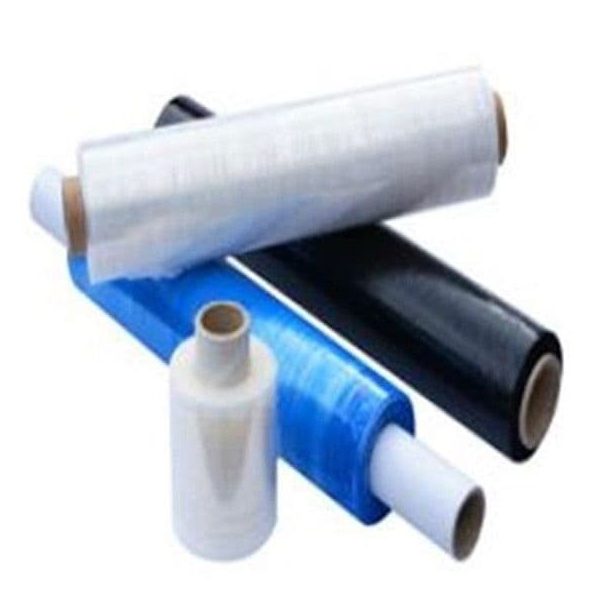
Full-width pallet wrap is designed to contain stacked goods on a pallet. Handy wrap is much narrower and is better suited to small cartons, tubes, components and awkward sections of larger products.
Martins Mill Packaging supplies pallet and handy wrap for warehouse, storage and dispatch applications.
The Short Answer
Use pallet wrap when you need to secure and contain a complete palletised load. Its wider film covers more of the pallet with each rotation, making it practical for cartons, boxes and mixed goods.
Use handy wrap for smaller bundles and individual products. Its narrow width makes it easier to wrap compact or irregular items without using a full-width roll.
| Product | Typical Width | Common Uses |
|---|---|---|
| Pallet wrap | 400 mm or 500 mm | Complete pallets, large boxes and bulky goods |
| Handy wrap | 100 mm | Small cartons, tubes, profiles and components |
What Is Pallet Wrap Used For?
Pallet wrap is stretched around goods stacked on a pallet. The tension in the film helps hold the items together as a single unit during warehouse handling and storage.
It can be useful for:
- Containing stacked cartons
- Keeping loose products together
- Reducing movement within a prepared load
- Protecting outer packaging from dust and dirt
- Providing limited protection from light moisture
The load should already be stable before wrapping begins. Pallet wrap cannot correct damaged pallets, poorly arranged cartons or goods that are likely to topple.
Some loads may also need strapping, corner protection or another form of containment. A wrapped pallet must still be restrained appropriately inside a delivery vehicle.
What Is Handy Wrap Used For?
Handy wrap uses the same general stretch-film principle in a narrower format. The 100 mm width makes it easier to apply around small products and bundles.
Common uses include:
- Bundling small cartons together
- Grouping tubes, rods and profiles
- Keeping loose components in one unit
- Holding protective material around a product
- Securing drawers or doors during internal movement
- Wrapping one section of an awkwardly shaped item
Handy wrap may also be useful when products need to be grouped temporarily before they are placed into a larger box or pallet load.
It is generally inefficient for wrapping a complete pallet because its narrow width requires many more rotations and can leave uneven coverage.
Hand-Applied or Machine-Applied Pallet Wrap?
Pallet wrap is available in different roll formats. Extended-core rolls have projecting sections that act as handles, allowing the film to be applied manually without a separate dispenser.
Flush-core rolls do not have built-in handles and may be intended for use with compatible machinery or application equipment.
Before ordering machine film, confirm:
- The make and model of the wrapping machine
- The required film width
- The reel and core dimensions
- The accepted film thickness
- The maximum roll weight
Do not assume that every flush-core roll will fit every wrapping machine.
Clear or Black Film?
Clear pallet wrap allows employees to view products, labels and barcodes through the film. It is usually the practical choice where stock needs to be inspected or identified quickly.
Black pallet wrap conceals the products beneath it and can help distinguish particular loads in a warehouse. It should not be treated as a security product or a guarantee against tampering.
Handy wrap is commonly used in clear film so that bundled products and labels remain visible.
How to Choose Between Them
Choose pallet wrap when:
- You are wrapping a complete pallet
- The load needs coverage across its full height
- You regularly contain stacked cartons or bulky goods
- A 400 mm or 500 mm roll suits the application
Choose handy wrap when:
- You are bundling smaller items
- The product is too narrow for full-width wrap
- You only need to secure part of an item
- You need a portable film for quick packing jobs
Some businesses will benefit from keeping both products at the packing station. Pallet wrap can be used for completed loads, while handy wrap handles smaller jobs that arise throughout the day.
Use Only as Much Film as the Job Requires
Applying more film does not automatically create a safer load. Excessive tension can crush cartons, while unnecessary layers increase material use and packing time.
Check that:
- The goods are arranged securely before wrapping
- The film reaches and grips the pallet where appropriate
- Sharp corners cannot puncture the film
- Labels remain visible where required
- The finished load does not move or lean
Businesses wrapping the same products regularly should create a simple standard method so staff use a consistent number of rotations and amount of film.
Choose the Width That Fits the Task
Pallet wrap and handy wrap are similar materials designed for different sizes of job. Full-width film is the more efficient choice for complete pallet loads, while narrow handy wrap is useful for cartons, components and compact bundles.
Browse the complete pallet wrap and film range, or contact Martins Mill Packaging with details of the goods, load dimensions and application method for help choosing a suitable roll.

Martins Mill Packaging
We are a Halifax, West Yorkshire based supplier of high quality industrial and commercial packaging, materials & solutions, providing local and national deliveries, and competitive pricing, and have been trading for over 20 years.


