
Industries Where Polypropylene Bags Sacks And Tubing Are Used
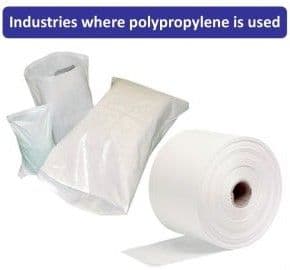
Polypropylene is used to manufacture a wide range of sacks, bulk bags and packaging tubing. Its lightweight woven construction provides strength without making empty packaging difficult to store or handle.
Different polypropylene products suit different tasks. Smaller sacks can hold loose materials and components, bulk bags are designed for mechanically handled loads, and continuous tubing can cover long or awkwardly shaped products.
Martins Mill Packaging supplies a broad range of polypropylene bags and sacks for construction, agriculture, recycling, warehousing and general commercial use.
What Is Woven Polypropylene?
Polypropylene is a type of plastic that can be formed into tapes and woven together to create a flexible fabric. The woven structure helps give sacks and bags resistance to tearing and everyday wear while keeping them relatively light.
Woven polypropylene is also breathable, allowing air to pass through the fabric. This can be useful for suitable agricultural products, textiles and materials that should not be completely sealed.
However, standard woven polypropylene should not automatically be treated as waterproof, airtight or suitable for fine powders and liquids. Some contents may require an internal liner or a different type of packaging.
Standard and Heavy-Duty Polypropylene Bags
Standard-duty polypropylene bags provide a practical option for general storage, agricultural materials, parcels, clothing and suitable loose products.
Heavy-duty bags use a stronger weave and heavier fabric. They may be more appropriate for rougher, heavier or more abrasive contents where a lighter sack could be vulnerable to wear.
Possible uses include:
- Sand, soil and fertilisers
- Seeds, grains and suitable dry produce
- Recycled clothing and textiles
- Building and landscaping materials
- Workshop parts and general components
- Non-hazardous recycling materials
The choice should be based on the weight, shape and surface of the contents. Sharp items can still puncture heavy-duty fabric, while dense materials may make a bag difficult to lift before it appears full.
Bulk Tonne Bags
Bulk tonne bags are large woven polypropylene containers used for loose materials such as aggregates, soil, gravel, recycling products and suitable site waste.
They are commonly fitted with four lifting loops so that they can be handled using suitable forklifts, cranes or hoists. Available formats include standard builders bags, mini-profile bags, taller jumbo bags and specialist recycling bags.
Despite the familiar name, not every bulk bag has the same load rating. Users should check the safe working load, safety factor and handling instructions printed on the individual bag label.
Bulk bags should never be mechanically lifted when their condition, previous use or load rating is unknown.
Net Bags for Fresh Produce
Polypropylene can also be used to manufacture open-mesh net bags. These provide greater airflow and allow the contents to remain visible.
Net bags may be suitable for products such as:
- Onions and potatoes
- Fruit and vegetables
- Logs and kindling
- Shellfish and other suitable produce
Packaging for food products must be confirmed as suitable for the exact contents and intended contact. Businesses should also follow their hygiene, traceability and storage procedures.
Recycling and Baler Bags
Large polypropylene sacks can help recycling businesses collect, separate and move lightweight or bulky materials.
Available formats include bale recycling bags with lids and envelope-style bags that can be filled, closed and stacked for suitable handling or transport.
They may be used for:
- Clothing and textiles
- Packaging materials
- Lightweight manufacturing waste
- Suitable recyclable plastics
- Other non-hazardous materials
Waste bags should be labelled where the contents are not obvious. Hazardous or contaminated waste requires packaging and disposal arrangements approved for the particular material.
Polypropylene Tubing
Spiral-sewn polypropylene tubing is supplied on a continuous roll and can be cut to suit the length of the product.
Its flexible woven construction makes it useful for long, cylindrical and irregularly shaped items, including:
- Carpet and fabric rolls
- Hoses, pipes and ducting
- Baled textiles
- Engineered components
- Other long or awkward products
The tubing can be cut to length before its ends are secured using a suitable tie or closure. This can reduce excess material where products are supplied in several different lengths.
Its open weave allows airflow but does not provide the same moisture protection as sealed polythene tubing.
Sandbags and Site Products
Woven polypropylene is also used for sandbags because it is flexible, relatively light before filling and easy to store in quantity.
Filled sandbags may be used for temporary flood preparation, water diversion and suitable ballast applications. They should not be treated as a guaranteed watertight flood barrier, and contaminated bags require careful handling after use.
The same general material is also found in bags designed for garden waste, landscaping and barrow-truck handling. Each product should be selected according to its construction and intended use rather than assuming all woven bags are interchangeable.
Is Polypropylene Packaging Reusable?
Some polypropylene packaging can be reused when the product is designed for repeated use and remains clean, undamaged and suitable for its next contents.
Before reusing a sack or bag, check:
- The fabric for holes, cuts and worn areas
- The seams for damaged stitching
- Any lifting loops for fraying or distortion
- The bag for contamination
- The label and reuse classification where applicable
Single-trip bulk bags should not be refilled and mechanically lifted for another journey. Reuse must follow the rating and instructions of the specific product.
Can Polypropylene Packaging Be Recycled?
Clean polypropylene may be accepted by suitable plastics recyclers, although collection arrangements vary.
Recyclers may require bags to be empty, dry and separated from liners, labels or other materials. Bags contaminated with oils, chemicals, asbestos or hazardous substances need an appropriate specialist disposal route.
Businesses using large quantities should speak to their waste contractor about collecting woven polypropylene as a separate material.
Choosing the Right Polypropylene Product
Before ordering, consider:
- The dimensions and approximate weight of the contents
- Whether the product is sharp, abrasive or fine
- Whether airflow or moisture protection is required
- How the bag will be filled, closed and emptied
- Whether it will be lifted manually or mechanically
- Any food, feed, chemical or waste-handling requirements
Polypropylene provides a flexible packaging option for many industries, but no single sack or bag suits every material. The exact construction, dimensions and load rating should always match the job.
Browse the available polypropylene bags, bulk bags and tubing, or contact Martins Mill Packaging with details of the contents and handling method for help choosing a suitable product.

Martins Mill Packaging
We are a Halifax, West Yorkshire based supplier of high quality industrial and commercial packaging, materials & solutions, providing local and national deliveries, and competitive pricing, and have been trading for over 20 years.


