Practical Ways to Reuse Cardboard Boxes at Home and in the Garden
Moving home, receiving regular deliveries or clearing a storeroom can leave you with more cardboard boxes than you immediately need. Clean, dry boxes do not always have to go straight into the recycling collection.
Depending on their condition, they can be reused for storage, organisation, children’s crafts and several practical gardening tasks. Reusing a box before recycling it can extend its useful life and reduce the need to buy a new container for a temporary job.
Check the Boxes Before Reusing Them
Not every cardboard box is suitable for reuse. Before putting one back into service, check it for:
- Damp, mould or unpleasant odours
- Crushed corners and weakened side walls
- Torn base flaps
- Oil, food or chemical contamination
- Sharp staples or damaged tape
- Old delivery labels and barcodes
Keep stronger double wall boxes for heavier belongings and use lighter cartons for crafts, drawer organisation and other low-load applications.
Remove or completely cover old delivery labels before using a box for another parcel or house move.
Reuse Boxes for Home Storage
Cardboard boxes provide a straightforward way to organise items that do not need a permanent plastic or wooden container.
Possible uses include:
- Seasonal decorations
- Books and paperwork
- Spare cables and electrical accessories
- Craft materials
- Children’s toys
- Clothing awaiting donation
- Items stored in cupboards or under beds
- Garage and workshop supplies
Write the contents on more than one side so the box can be identified when it is stacked. Avoid storing cardboard directly on a garage, shed or cellar floor where it may absorb moisture.
Create Drawer and Cupboard Dividers
Sections of corrugated cardboard can be cut to create simple dividers for drawers, cupboards and storage boxes.
They can help separate:
- Socks and small clothing items
- Stationery
- Craft supplies
- Tools and fixings
- Kitchen accessories
- Cables and chargers
Measure the drawer first and make sure the cardboard does not obstruct runners, hinges or closing mechanisms.
Make a Desk Organiser
A shallow box can be divided into smaller sections to hold notebooks, envelopes and stationery. Cardboard tubes from kitchen and toilet rolls can also be cut to different heights and arranged inside a box to hold pens and pencils.
The finished organiser can be covered with wrapping paper, wallpaper offcuts or water-based paint. Keep decorative materials away from any open flame or electrical equipment that becomes hot.
Protect Surfaces During Decorating
Flattened boxes can provide temporary protection when painting, assembling furniture or carrying out light household repairs.
Cardboard can be placed beneath:
- Paint tins and toolboxes
- Flat-pack furniture during assembly
- Plant pots being moved indoors
- Small DIY projects
- Items being loaded into a car boot
Cardboard is absorbent rather than waterproof. It should not replace a suitable dust sheet where paint, water or chemicals could soak through and damage the surface below.
Use Boxes for Donations and Decluttering
Label separate boxes for items to keep, donate, sell, recycle or dispose of. This can make a home, office or garage clear-out easier to manage.
Do not make donation boxes too heavy. Books, crockery and tools should be divided between several smaller cartons so they remain manageable for volunteers and collection staff.
Reuse Removal Boxes
Boxes used for a house move may be suitable for storage or another move when they remain dry and structurally sound.
Before packing them again:
- Inspect the bottom and corners
- Remove loose or damaged tape
- Cover previous room and address labels
- Retape the base securely
- Match the box strength to the contents
The home removal and furniture storage range includes double wall boxes, bubble wrap, tape, labels and protective polythene covers where additional materials are needed.
Cardboard Crafts for Children
Cardboard boxes can provide material for inexpensive creative projects. Depending on the box size, children can make:
- A play shop or puppet theatre
- A toy car, boat or spaceship
- A doll’s house
- A model building
- A cardboard laptop or television
- Masks, signs and picture frames
- Scenery for school projects
An adult should remove staples, plastic strapping and sharp tape dispensers before the box is used. Cutting tools, hot glue and industrial staples should only be handled by a responsible adult.
Large boxes should not be sealed while a child or pet is inside them, and play should be supervised to prevent suffocation, entrapment or trips.
Simple Enrichment for Pets
Many cats and small pets enjoy exploring an open cardboard box. A clean carton can be used temporarily as a hiding place, supervised play area or container for toys.
Before giving a box to a pet:
- Remove staples, tape and plastic labels
- Check for food or chemical contamination
- Make sure openings are large enough for the animal
- Do not use a box that could collapse or trap the pet
- Remove it if the animal starts eating large amounts of cardboard
Cardboard is not a suitable permanent bed, animal carrier or litter tray because it can weaken quickly when wet and cannot be cleaned effectively.
Use Plain Cardboard to Suppress Weeds
Plain brown cardboard can form part of a no-dig or sheet-mulching method for creating or extending garden beds.
To use it:
- Remove plastic tape, labels and metal staples.
- Avoid glossy, heavily coated or laminated cardboard.
- Flatten the boxes and place overlapping sheets over the ground.
- Use a double layer where weeds or grass are established.
- Wet the cardboard to help it remain in place.
- Cover it with compost, bark or another suitable organic mulch.
Overlapping the sheets helps stop weeds growing through gaps. The cardboard should not be left loose where it could blow into roads, neighbouring gardens or watercourses.
Keep mulch and cardboard away from the bases of trees and woody plants where trapped moisture could contribute to decay.
Add Cardboard to a Compost Heap
Torn or shredded plain cardboard can be added to a home compost heap as a dry, carbon-rich “brown” material. It can help balance wetter green materials such as grass cuttings and vegetable peelings.
Before composting cardboard:
- Remove tape, staples and plastic labels
- Avoid glossy, waxed or laminated card
- Tear or shred it into smaller pieces
- Mix it through the heap rather than adding one thick layer
- Combine it with a variety of green and brown materials
Cardboard decomposition time varies according to its thickness, the size of the pieces and the moisture, temperature and airflow within the compost heap. There is no reliable universal timescale.
Make Temporary Seedling Pots
Small plain cardboard tubes can be used as temporary pots for starting suitable seeds. Stand the tubes upright in a waterproof tray, fill them with seed compost and water carefully.
The tubes can soften quickly, so they should be treated as short-term containers rather than permanent plant pots. Follow the plant’s normal sowing and transplanting requirements and avoid using printed, glossy or coated cardboard.
Create a Temporary Gardening Mat
Several flattened layers can provide a temporary surface for kneeling while carrying out dry gardening jobs.
Do not rely on wet cardboard as a stable kneeling or walking surface because it can become slippery, tear unexpectedly and conceal uneven ground. A purpose-made kneeling pad is safer for regular use.
Collect Garden Waste More Easily
An open cardboard box can temporarily hold dry leaves, prunings and other light garden materials while an area is being cleared. It should not be used for wet, heavy or sharp waste because the base may fail.
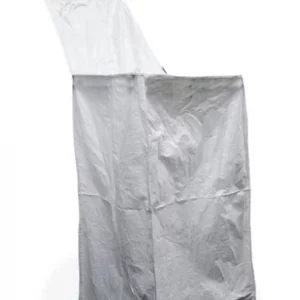
For repeated garden work, garden waste and landscaping bags provide a more durable option. They are available in several sizes with flat bases and carrying handles.
Check the product specification before lifting any filled bag and do not exceed a manageable weight.
Recycle Cardboard That Cannot Be Reused
A box should be recycled when it has become too weak, damaged or inconvenient for further use.
Before placing cardboard into the appropriate collection:
- Remove the contents and loose packaging
- Separate plastic and polystyrene inserts
- Remove excessive tape where practical
- Keep the cardboard clean and dry
- Flatten it to reduce storage volume
Follow the instructions provided by the local council or waste contractor, as collection requirements can vary.
Give Cardboard Boxes Another Useful Job
Clean, dry cardboard boxes can be reused for household storage, moving, organisation, children’s projects and selected gardening tasks. The condition and previous contents of the box should always be checked before it is used again.
When existing boxes are no longer suitable, browse the available cardboard boxes and home and garden products for moving, storage and outdoor work.

Martins Mill Packaging
We are a Halifax, West Yorkshire based supplier of high quality industrial and commercial packaging, materials & solutions, providing local and national deliveries, and competitive pricing, and have been trading for over 20 years.