
How to Choose the Right Strapping for Palletised Goods
Strapping helps hold palletised goods together while they are stored, handled and prepared for transport. However, simply adding a few bands around a load does not guarantee that it is secure. The material, width, tension and application method must all suit the goods being strapped.
A pallet of lightweight cartons will not have the same requirements as bricks, timber or heavy industrial components. Loads may also compress, settle or change shape after they have been strapped, which can affect how well the material continues to hold them.
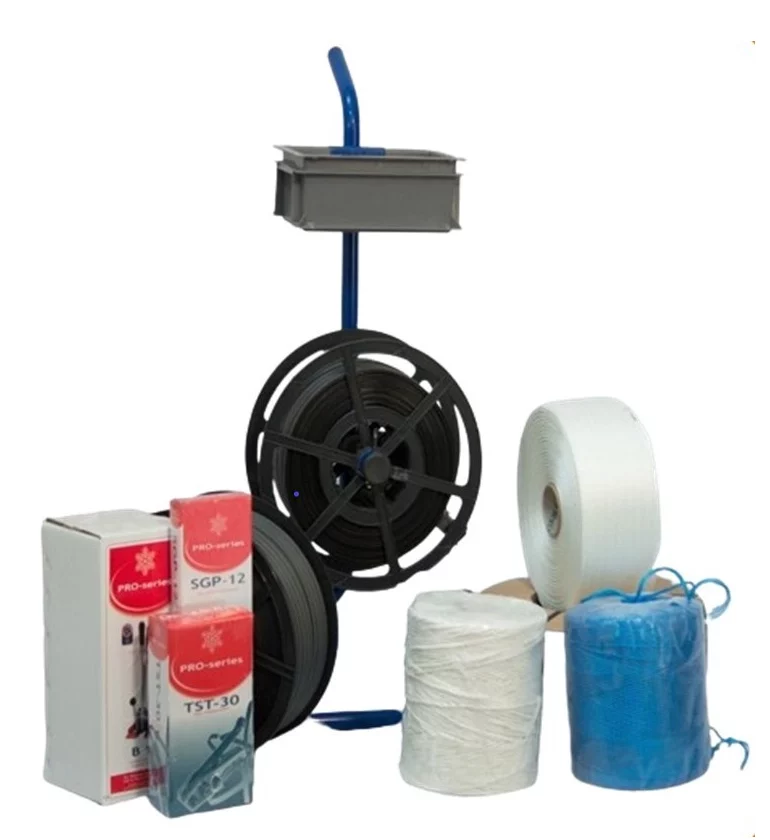
Martins Mill Packaging supplies a range of pallet and packaging strapping, including polypropylene, polyester and steel options for different applications.
Start With the Load, Not the Strapping Machine
It can be tempting to choose strapping based on the equipment already in the warehouse. A better approach is to begin with the load itself and then identify the material and tools needed to secure it appropriately.
Consider:
- The total weight of the load
- The size and shape of the individual items
- Whether the contents are rigid, compressible or likely to settle
- Whether cartons could be crushed by excessive tension
- Whether there are sharp or abrasive edges
- How often the pallet will be handled
- How long it will remain in storage
- The conditions it may encounter during transport
Weight is important, but it should not be considered alone. A relatively light load may still be awkward to secure if it is tall, uneven or made up of loose items. A heavier load may be easier to contain if it is compact, rigid and stacked evenly.
What Does the Strapping Need to Do?
The purpose of strapping is usually to combine separate items into a more manageable unit, reinforce packaging or help attach goods to a pallet. The exact requirement will influence the type and amount of strapping needed.
For example, strapping may be used to:
- Hold cartons together in a stable stack
- Secure bundled products such as timber or profiles
- Reinforce heavy cardboard packaging
- Keep goods connected to the pallet beneath them
- Reduce movement during internal handling
Strapping should be applied in a way that holds the load without damaging it. Too little tension may allow movement, while excessive tension can crush cartons, deform products or cut into vulnerable edges.
Polypropylene Strapping for General Packing
Polypropylene strapping is commonly used for light and medium-duty packing. It can be suitable for cartons, parcels, bundles and appropriately prepared pallet loads.
It is a practical option where the load is relatively stable and does not require the higher retained tension associated with more demanding applications. The Martins Mill Packaging range includes hand and machine-grade versions in several widths.
Polypropylene may suit:
- Boxes and cartons
- Light or medium-duty pallet loads
- General warehouse bundling
- Parcels requiring reinforcement
- Shorter storage and distribution cycles
Before ordering, check whether the reel is designed for hand application or a particular machine. The width, core size and strapping specification must be compatible with the tools or equipment being used.
Polyester Strapping for Loads That May Settle
Polyester strapping is used for more demanding palletised and bundled goods. Its tension characteristics can make it suitable for loads that may settle, contract or move slightly after the strap has been applied.
It is commonly associated with industries handling products such as timber, textiles and bricks. The available range includes different widths and forms of polyester strapping, so the individual specification should be checked rather than assuming every reel performs in the same way.
Polyester may be considered for:
- Heavier palletised goods
- Loads that may compress or settle
- Timber and building products
- Industrial bundles
- Goods requiring stronger retained tension
The appropriate tensioning and fastening method will depend on the type of polyester strapping selected. Woven, corded and other forms may use different buckles, seals or tools.
Steel Strapping for Demanding Industrial Loads
Steel strapping is generally used for heavy, rigid or demanding industrial applications. Typical examples can include construction products, metal components, timber and other dense loads where plastic strapping may not be appropriate.
Its strength does not mean that it should automatically be selected for every heavy pallet. Steel can have sharp edges, requires appropriate tools and may damage unprotected products or packaging if applied incorrectly.
Businesses using steel strapping should consider:
- Whether the load genuinely requires steel
- The correct strap width and specification
- Suitable tensioning, sealing and cutting tools
- Protection for vulnerable edges and surfaces
- Safe handling of cut strap and coil ends
- Training for employees applying or removing it
Do not replace one strapping material with another based only on approximate dimensions. Breaking strength, elongation, tension retention and closure performance can differ considerably between products.
Hand Strapping or Machine-Grade Strapping?
The application method affects which reel should be purchased. Hand strapping is normally applied using manual or battery-powered tensioning and sealing tools. It offers flexibility where pallets vary in size or are prepared in different parts of a site.
Machine-grade strapping must match the equipment’s requirements. Machines may specify a particular material, width, thickness and reel-core size. Using an incompatible reel can cause feeding problems, poor seals, equipment faults or inconsistent results.
It is also important to establish what the machine is designed to strap. A semi-automatic table machine used for cartons and bundles is not necessarily suitable for applying strap around a complete loaded pallet.
Businesses preparing full pallets may need portable combination tools or dedicated pallet-strapping equipment rather than a standard parcel-strapping machine.
Consider the Shape and Stability of the Pallet
Strapping performs better when the load has been stacked carefully. Boxes should be arranged to create a stable footprint, and unnecessary gaps should be reduced where practical.
Before applying strap, check for:
- Cartons overhanging the pallet
- Loose items near the top of the load
- Gaps that could allow products to move
- Damaged or unsuitable pallets
- Uneven weight distribution
- Sharp corners that could cut into the strap
Corner and edge protectors can help spread pressure and reduce damage where strapping passes over cardboard packaging or vulnerable surfaces. They can also help prevent the strap from cutting into the edges of cartons as tension is applied.
If the pallet is unstable before strapping, simply applying greater tension may not solve the underlying problem. The stacking arrangement or packaging method may need to be changed first.
Strapping and Pallet Wrap Do Different Jobs
Strapping and stretch film are often used together, but they are not interchangeable.
Strapping applies concentrated bands of tension around the load. It can help bundle items together, reinforce packages or connect products to the pallet.
Pallet wrap provides wider containment around the sides of the load. It can help hold smaller cartons together and protect goods from dust, dirt and light moisture during handling and storage.
Some loads may require both. For example, stretch film may contain a stack of cartons while strapping provides additional reinforcement or helps connect the goods to the pallet. The correct combination depends on the load and its intended journey.
Securing Goods to a Pallet Is Not the Whole Transport Plan
Strapping goods to a pallet does not automatically secure the pallet inside a van, trailer or other goods vehicle. The complete load must also be restrained appropriately within the vehicle.
Vehicle type, load position, gaps, friction, weight distribution and suitable lashings may all form part of the transport load-securing system. Businesses should follow current DVSA load-security guidance and ensure that employees responsible for loading have suitable information, equipment and training.
Strapping should therefore be treated as one part of the wider packaging, handling and transport process rather than the only measure needed.
Check the Complete Strapping System
A secure result depends on more than the reel itself. The strap, buckles or seals, tensioning tools and cutting equipment must work together as a compatible system.
Before use, confirm:
- The strapping is suitable for the load
- The tools are designed for its material and width
- The correct seals or buckles are available
- The tension setting will not damage the goods
- Straps are positioned where they cannot slip off
- Employees know how to apply and remove them safely
- The completed pallet will be checked before dispatch
Strapping and tools should also be inspected for damage or wear. Damaged materials, unsuitable closures or poorly maintained tools can affect the finished joint and the stability of the load.
Choosing Strapping With Confidence
The right pallet strapping depends on the goods, not simply their overall weight. Load shape, stability, handling conditions, storage time and application equipment must all be considered.
Polypropylene can provide a practical option for many lighter and medium-duty applications. Polyester may suit more demanding loads or goods that settle, while steel is generally reserved for heavy and rigid industrial products. In every case, the selected reel must be compatible with the fastening method and tools.
For help comparing materials and identifying an appropriate setup, contact Martins Mill Packaging with details of your pallet dimensions, goods, approximate load weight and current application method.

Martins Mill Packaging
We are a Halifax, West Yorkshire based supplier of high quality industrial and commercial packaging, materials & solutions, providing local and national deliveries, and competitive pricing, and have been trading for over 20 years.


