What Can You Put in Rubble Sacks?
Rubble sacks are made for waste that would be too heavy, rough or abrasive for an ordinary bin bag. They are commonly used during building work, property renovations, garden clearances and site maintenance, where broken materials need to be collected and moved in manageable quantities.
However, not everything produced during a building or clearance job should be placed in the same sack. Some materials need to be kept separate for recycling or disposal, while hazardous items require specialist handling.
Martins Mill Packaging supplies heavy-duty polythene rubble sacks in two sizes and a choice of black, clear or blue. They are designed for demanding contents such as broken bricks, plaster, timber and landscaping waste.
The Short Answer
Rubble sacks can be used for manageable quantities of materials such as broken bricks, concrete, tiles, ceramics, dry plaster, soil, sand, gravel, stones and general non-hazardous renovation debris.
They may also be suitable for garden waste, packaging and small timber offcuts, although separating these materials can make recycling and disposal easier.
You should not use an ordinary rubble sack for asbestos, chemicals, liquid paint, oils, hot materials, batteries, gas cylinders or other hazardous waste. Large pieces of sharp metal, broken glass and protruding fixings can also puncture the bag or injure the person handling it.
Brick, Concrete and Masonry
Small pieces of brick, concrete, mortar and masonry are among the most common materials placed in rubble sacks. The heavier polythene is better suited to their rough surfaces than a standard refuse bag.
Suitable contents may include:
- Broken bricks and breeze blocks
- Small pieces of concrete
- Hardened mortar and cement
- Fragments of paving slabs
- Stone and hardcore
- Ceramic sanitaryware broken into manageable pieces
Large or especially heavy pieces should not be forced into a sack. They can damage the material, make the bag difficult to lift and create unstable loads that are awkward to carry.
If a project produces a substantial quantity of masonry, using individual sacks may quickly become inefficient. A skip, rigid container or suitable bulk bag may provide a more practical waste-handling arrangement.
Tiles and Ceramics
Rubble sacks are often used during bathroom and kitchen renovations to collect broken wall tiles, floor tiles and ceramics.
These materials can have sharp edges, so they should be placed into the sack carefully rather than dropped from height. Avoid pushing pointed fragments against the sides or allowing pieces to protrude from the opening.
Suitable ceramic waste may include:
- Wall and floor tiles
- Roof tiles and slates
- Plant pots
- Broken sinks and toilet pans
- Other small ceramic fittings
Remove attached wood, metal, insulation and plasterboard where practical. Disposal facilities often ask for tiles, ceramics and inert rubble to be separated from other waste streams.
Plaster, Render and Plasterboard
Dry pieces of plaster and render can physically fit inside a rubble sack, but the disposal requirements should be checked before they are mixed with bricks or concrete.
Plasterboard and other gypsum-based products frequently need to be collected separately. Mixing them with general rubble may prevent the waste from being accepted for recycling or require the whole load to be treated differently.
Keep the following separate when instructed by the waste facility or contractor:
- Plasterboard sheets and offcuts
- Gypsum-based coving
- Dry plaster waste
- Unused or hardened plaster products
Do not wash wet plaster, cement or render into drains. Leftover wet products should be managed according to the manufacturer’s instructions and the requirements of the waste contractor.
Soil, Sand, Gravel and Stones
Rubble sacks can be useful for small quantities of soil, sand, gravel and stones produced during garden maintenance, landscaping and minor excavation work.
These materials are dense and can make a sack heavy long before it appears full. Fill gradually and stop when the bag can still be controlled and moved safely.
It is often helpful to keep clean soil and stone separate from:
- Plant material and weeds
- Plastic landscaping products
- Treated timber
- General household waste
- Plasterboard and gypsum
- Potentially contaminated soil
Soil from an area affected by fuel, oil, chemicals or another contaminant should not be treated as ordinary garden waste. Obtain appropriate advice before moving or disposing of it.
Garden and Landscaping Waste
Rubble sacks can also be used for smaller garden jobs where ordinary bin bags are likely to tear. They may be helpful when clearing patios, borders, paths and landscaped areas.
Possible contents include:
- Weeds and dead plants
- Leaves and hedge trimmings
- Bark and wood chippings
- Small twigs and branches
- Old gravel and decorative stones
- Broken plant pots
Take care with thorny cuttings and stiff branches, which can puncture the polythene. Cut longer pieces down where appropriate and make sure nothing protrudes from the sack.
Garden waste can also become considerably heavier when wet. A bag that is easy to move when filled with dry leaves may be much harder to handle after rain.
Where a job involves a high volume of leaves, branches or other lightweight green waste, a larger reusable garden bag may be easier to fill and empty than several smaller rubble sacks.
Timber and Wood Offcuts
Small timber offcuts may be placed in rubble sacks when they fit fully inside and do not have exposed nails, screws or sharp splinters.
Before bagging timber:
- Remove protruding nails and screws where possible
- Separate treated and untreated wood if required
- Cut long pieces down to a manageable size
- Avoid forcing sharp corners against the bag
- Keep the finished load light enough to control
Long boards, doors, worktops and large sections of timber are generally better stacked or placed directly into an appropriate skip or waste container.
Wood should also be kept separate from clean rubble when the disposal facility collects timber as an individual recycling stream.
Metal Waste
Small, blunt metal items may sometimes be placed in a rubble sack for temporary collection, but metal is usually better kept separate for recycling.
Do not place sharp sheet metal, long lengths of wire, blades or items with jagged edges into an ordinary rubble sack. These can cut through the polythene and create a serious handling hazard.
Metal items that should be managed separately can include:
- Pipes and metal profiles
- Radiators and fittings
- Sharp sheet-metal offcuts
- Wire and cabling
- Tools and machine components
- Nails, screws and fixings
Use a suitable rigid container for small sharp items and follow the requirements of the waste or scrap-metal facility.
Packaging and General Site Waste
Rubble sacks can collect packaging and general site debris, but they may be unnecessarily heavy-duty for clean, lightweight waste.
Materials such as cardboard, stretch film and clean polythene should be kept separate where recycling arrangements are available. This can reduce the amount of mixed waste produced and reserve rubble sacks for materials that genuinely require their additional strength.
For lighter refuse, bin liners and compactor sacks may offer a more suitable option.
Typical lighter waste includes:
- Clean wrapping and packaging
- Empty product bags
- Dust sheets
- Cardboard offcuts
- Paper and labels
- General non-sharp site rubbish
Empty containers that previously held paint, adhesives, chemicals or other controlled products may still require specialist disposal. Do not assume that an apparently empty container can be placed in general waste.
What Should Not Go in an Ordinary Rubble Sack?
A heavy-duty sack is not a substitute for approved hazardous-waste packaging. Do not place the following into an ordinary rubble sack unless a competent waste specialist has specifically confirmed the correct packaging and disposal method:
- Asbestos or suspected asbestos-containing materials
- Liquid paint, thinners and solvents
- Oils, fuels and chemicals
- Hot ash or smouldering materials
- Gas bottles and pressurised cylinders
- Batteries
- Electrical equipment
- Clinical or biological waste
- Fluorescent tubes and specialist lamps
- Large pieces of broken glass
- Sharp metal and exposed blades
- Unknown substances or contaminated soil
If asbestos is suspected, stop disturbing the material and seek appropriate advice. Breaking, sweeping or bagging it incorrectly can release hazardous fibres.
Can Different Types of Waste Be Mixed?
Although mixed renovation waste can physically be placed in one sack, separating materials is usually the better approach.
Keeping waste streams apart can:
- Make recycling easier
- Reduce contamination
- Help a waste contractor identify the contents
- Prevent plasterboard being mixed with inert rubble
- Reduce the risk of sharp items being hidden inside the bag
- Make the finished sacks easier to handle
Consider preparing separate sacks or containers for:
- Clean bricks, concrete and ceramics
- Plasterboard and gypsum products
- Soil and stones
- Timber
- Metal
- Green garden waste
- Recyclable packaging
- General non-recyclable waste
Label the bags when their contents are not obvious, particularly when several people are working on the same site.
When Should You Use a Bulk Bag Instead?
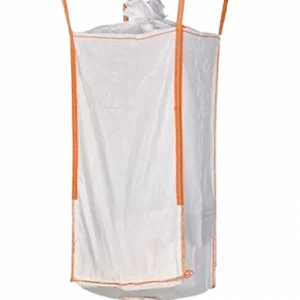
Rubble sacks are most useful for materials that will be filled, lifted and moved by hand. Larger quantities may be better placed into a skip or one of the appropriate bulk tonne bags.
A larger container may be more practical when:
- The project is producing waste continuously
- There is a substantial amount of soil or rubble
- Individual sacks would need to be handled repeatedly
- Mechanical lifting equipment will be used
- The material is too bulky for smaller bags
Check the safe working load and specification of any bulk bag before use. The bag, lifting loops and handling equipment must all be suitable for the material and intended lifting method.
Do not assume that every large woven bag is approved for lifting or capable of carrying one tonne simply because it is commonly described as a tonne bag.
Check the Disposal Rules Before Filling
The bag does not determine where its contents can be taken. Recycling centres, skip companies and commercial waste contractors may have different rules for rubble, soil, plasterboard, timber and mixed construction waste.
Before beginning a job, check:
- Which materials the chosen facility accepts
- Whether waste needs to be separated
- Whether a booking or permit is required
- Whether quantity or vehicle restrictions apply
- Whether the waste is domestic or commercial
- Whether charges apply
- How hazardous or specialist materials must be packaged
Household recycling centres are intended for waste produced by residents at their own homes. Waste generated through trade or commercial work normally needs to go through an authorised business-waste service.
Businesses and tradespeople should use an appropriate registered waste carrier or licensed facility and retain the required waste documentation.
Choose the Right Sack for the Contents
Rubble sacks can hold many common building, garden and renovation materials, including manageable pieces of brick, tile, plaster, soil, gravel and timber. Their heavier construction makes them more dependable than ordinary bin bags for rough waste.
The contents must still be suitable for the bag, separated where required and light enough to handle safely. Hazardous waste, sharp metal, large glass and specialist materials need a different collection and disposal method.
For larger jobs, consider whether a bulk bag, skip or rigid container would reduce repeated handling and make waste separation easier.
Browse the rubble sacks available from Martins Mill Packaging, or contact the team for help comparing sacks and bags for building, landscaping and site-clearance work.


Martins Mill Packaging
We are a Halifax, West Yorkshire based supplier of high quality industrial and commercial packaging, materials & solutions, providing local and national deliveries, and competitive pricing, and have been trading for over 20 years.