Why Do Workshops, Warehouses and Garages Use Blue Roll?
Blue roll is easy to overlook until a tool needs wiping, a packing bench becomes dusty or a small spill interrupts the working day. Keeping a roll close to the job gives staff a quick way to deal with everyday mess without having to leave the work area in search of cleaning materials.
This makes it a familiar sight in garages, workshops, warehouses, factories, trade counters and maintenance areas. It is useful for routine wiping and drying, although it should always be used within the workplace’s wider cleaning, hygiene and safety procedures.
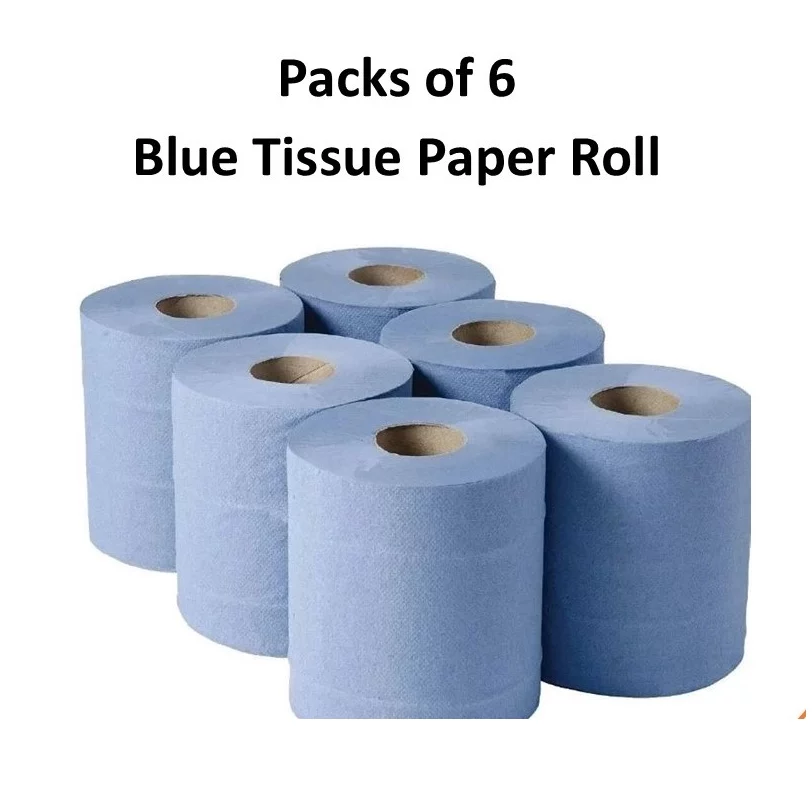
Martins Mill Packaging supplies two-ply blue centre-feed tissue rolls for general workplace wiping and cleaning tasks.
Why Is Blue Roll So Widely Used?
The main reason is convenience. Blue roll can be positioned beside a workbench, dispenser, packing station or tool area, allowing staff to take a sheet whenever it is needed.
It can be used for tasks such as:
- Wiping dust and light dirt from work surfaces
- Cleaning tools and equipment between jobs
- Drying hands after they have been washed
- Dealing with small, non-hazardous spills
- Removing light grease or residue from suitable surfaces
- Keeping packing and inspection areas presentable
Because each sheet is used once, it can also reduce the temptation to reuse a heavily soiled cloth across several different jobs. This is only beneficial when the used paper is disposed of correctly and a fresh sheet is taken for the next task.
Why Garages And Workshops Keep It Close By
Garages and engineering workshops regularly deal with oil, grease, dust and general workshop dirt. Mechanics and technicians may need to wipe a tool, clean a component or remove a small amount of residue before moving on to the next stage of a job.
Blue roll is useful because it can be kept close to lifts, benches and tool storage areas. Staff do not need to interrupt the job to find a reusable cloth or carry dirty material around the workshop.
Typical uses include:
- Wiping hand tools after use
- Cleaning light marks from workbenches
- Removing small drips during routine maintenance
- Wiping surfaces before inspection or assembly
- Drying washed hands before handling paperwork or equipment
It is important to distinguish routine wiping from hazardous spill control. Petrol, solvents, chemicals and larger oil spillages may be flammable, harmful to health or subject to specific disposal requirements. These should be handled according to the product safety data sheet, the workplace risk assessment and the appropriate spill procedure.
Blue roll should not be used as a substitute for properly washing chemicals, oil or fuel from the skin.
How Blue Roll Helps In Warehouses
Warehouses may not experience the same grease and oil as a garage, but dust, damaged packaging, dirty pallets and small spillages can still affect daily work.
Blue roll is often kept around goods-in areas, packing benches, inspection stations and dispatch departments. It allows staff to clean a surface before preparing an order or remove a minor mark without holding up the packing process.
This can be particularly useful alongside packing and wrapping materials. Keeping the bench clean helps prevent dust and dirt from being trapped inside packaging or transferred to products being checked and prepared for dispatch.
Other warehouse uses can include:
- Wiping scales and suitable packing equipment
- Cleaning worktops between different orders
- Removing dust from labels and packaging surfaces
- Dealing with small water spillages
- Cleaning trade counters and stockroom work areas
Where cleaning chemicals are required, staff should use the correct product and follow its instructions. A dry sheet of blue roll may remove visible dirt, but it will not necessarily clean, degrease or disinfect a surface properly.
Why Is Blue Roll Coloured Blue?
The colour makes the paper easy to distinguish from many products, surfaces and items of packaging. A loose piece may be easier to notice than white tissue, particularly on pale worktops or amongst white packaging materials.
This visibility can be useful in workshops, warehouses and food preparation areas where staff need to spot and remove stray pieces quickly.
However, the colour alone does not make a roll food-safe, sterile, medical-grade or suitable for direct contact with a particular product. Businesses working with food, healthcare products or sensitive components should check the roll’s specification and follow their own hygiene procedures.
The Benefits Of Centre-Feed Rolls
Many workplaces use centre-feed rolls rather than loose paper towels. The cardboard core is removed and sheets are pulled through the centre of a compatible dispenser.
This arrangement offers several practical benefits:
- Sheets can often be taken with one hand
- The roll can be protected inside a wall-mounted dispenser
- Paper is available at a consistent point of use
- Loose rolls are less likely to move around a workbench
- Dispensers can help control how much paper is taken
Rolls should be stored somewhere clean and dry. Leaving an uncovered roll beside oil, dust, chemicals or dirty equipment can contaminate the paper before it is used.
When Blue Roll Is Not Enough
Blue roll is intended for routine wiping and light clean-up. It is not the right product for every incident.
A different method or specialist equipment may be required for:
- Large liquid spillages
- Flammable fuels and solvents
- Hazardous chemicals
- Broken glass or sharp materials
- Blood or other bodily fluids
- Surfaces requiring proper disinfection
- Tasks requiring lint-free wiping materials
Employers should assess the substances used on site and provide suitable spill kits, protective equipment, disposal containers and staff training where required.
Used blue roll contaminated with chemicals, oils or other hazardous materials should not automatically be placed in general waste. Disposal will depend on what has been absorbed and the workplace’s waste procedures.
Choosing Blue Roll For A Workplace
Not every roll has the same specification. Before ordering, consider:
- The number of plies and level of absorbency
- The size and number of sheets on each roll
- Whether it fits the existing dispenser
- How much lint the paper leaves behind
- Whether it retains enough strength when damp
- How many rolls the workplace uses each week
- Where clean and used rolls will be stored
It is also worth considering where dispensers should be installed. Positioning them near the jobs where paper is regularly needed can save time, while suitable bin liners and refuse sacks can make it easier to collect routine workplace waste.
A Simple Part Of Good Workplace Housekeeping
Blue roll remains popular because it is straightforward, accessible and suitable for many small cleaning jobs. In a busy workshop, warehouse or garage, having it available at the point of use can help staff deal with everyday dirt and minor mess before it begins to disrupt the job.
It works best as part of a planned approach that also includes appropriate cleaning products, spill equipment, hand-washing facilities and clear waste procedures.
Browse the blue centre-feed rolls available from Martins Mill Packaging, or contact the team for help with workplace, cleaning and packaging supplies.

Martins Mill Packaging
We are a Halifax, West Yorkshire based supplier of high quality industrial and commercial packaging, materials & solutions, providing local and national deliveries, and competitive pricing, and have been trading for over 20 years.