Why One-Tonne Bags Are Essential for Construction and Landscaping
Construction and landscaping projects often involve loose materials that are difficult to store and move efficiently. Sand, gravel, soil, bark and site waste can quickly spread across a working area if they are not properly contained.
One-tonne bags, also known as builders bags, bulk bags or flexible intermediate bulk containers, provide a practical way to collect, store and transport suitable materials. Their woven polypropylene construction, flexible sides and lifting loops make them useful across building sites, yards and landscaping projects.
Martins Mill Packaging supplies a range of bulk tonne bags in different dimensions and load ratings.
What Are One-Tonne Bags?
One-tonne bags are large woven polypropylene containers designed for loose, granular or bulky materials. Many have an open top, flat base, reinforced seams and four lifting loops for handling with suitable equipment.
Despite the common name, not every bag is rated to carry exactly one tonne. The safe working load depends on the individual model and should always be confirmed from its label.
Available formats include regular builders bags, compact mini-profile bags and taller jumbo bags. Choosing the correct format helps make filling, storage and handling more practical.
Why Are They Useful on Building and Landscaping Projects?
They Keep Loose Materials Contained
Bulk bags help keep sand, aggregate, soil and other loose products together. This can reduce spillage and make it easier to separate different materials around a site.
They can also be used to keep selected waste streams apart before collection, provided the bag and disposal route are suitable for the contents.
They Can Be Moved Mechanically
The lifting loops allow a filled bag to be handled with an appropriate forklift, crane or hoist. This can reduce the need to move loose material in smaller sacks or by hand.
The machinery, lifting attachments and bag must all be suitable for the load. Every lifting loop provided should be used as instructed, and nobody should stand beneath a suspended bag.
They Take Up Little Space Before Use
Unlike rigid skips, bins and containers, empty bulk bags can be folded for storage. This makes it easier for contractors and landscapers to keep a supply available without occupying a large section of a yard or warehouse.
Different Sizes Suit Different Jobs
A standard builders bag may suit general aggregates and landscaping materials, while a smaller bag can be more practical for dense products or restricted spaces.
Taller jumbo bags provide additional volume for suitable lighter materials. The correct bag should be selected according to its dimensions, construction and safe working load rather than its name alone.
Construction Uses for Bulk Bags
On construction sites, one-tonne builders bags may be used for:
- Sand, gravel and suitable aggregates
- Small pieces of rubble and spoil
- Building products awaiting use
- Waste separation during refurbishment work
- Recyclable materials and packaging
The contents should not contain sharp projections likely to cut through the fabric. Long metal pieces, exposed nails and large jagged sections of concrete may require a different container.
The bag used for waste collection must also be accepted by the chosen waste contractor. Hazardous materials, asbestos, liquids and contaminated waste require appropriate specialist handling.
Landscaping Uses for Bulk Bags
Landscapers may use bulk bags to store and move:
- Topsoil and compost
- Bark and mulch
- Sand and gravel
- Slate and decorative stone
- Green waste
- Removed soil and landscaping debris
Keeping materials in separate bags can help prevent different grades or colours of aggregate becoming mixed. It can also keep paths, driveways and working areas tidier while a project is underway.
Wet soil, sand and stone can be extremely dense. The bag may reach its safe working load before it appears full, so the weight of the contents must be considered during filling.
Which Type of Bulk Bag Do You Need?
| Bag Type | Possible Uses | What to Check |
|---|---|---|
| Builders bag | Aggregates, soil, rubble and general site materials | Dimensions, safe working load and intended contents |
| Mini-profile bag | Dense materials, smaller quantities and restricted spaces | Whether the model is rated for 500 kg or one tonne |
| Jumbo bag | Lighter, higher-volume materials | Bag height, filling method and discharge design |
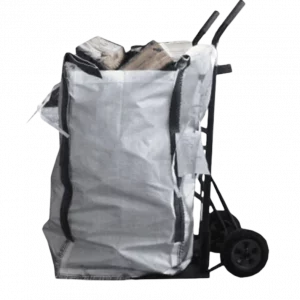
| Barrow truck bag | Moving suitable materials through tighter access routes | Handling method, dimensions and load rating |
Mini-profile bulk bags can be useful where a standard builders bag is too large or where dense products need to be divided into smaller quantities. Always check the individual rating, as capacities vary between models.
Do You Need a Liner or Additional Support?
Standard woven bulk bags are not automatically waterproof or suitable for fine powders and liquids. Some products may require a compatible internal liner or a different bag construction.
Cardboard base inserts, U-shaped liners and topless boxes can also provide additional support for suitable applications. They may help spread pressure across the base, support the side walls or reduce contact between angular contents and the woven fabric.
A liner does not increase the bag’s stated safe working load. The complete arrangement must still remain within the rating shown on the bag label.
Handle Bulk Bags Safely
Before filling or lifting a bulk bag:
- Check that the label is present and readable
- Confirm the safe working load
- Inspect the fabric, seams and lifting loops
- Make sure the contents suit the bag
- Use handling equipment rated for the filled load
- Keep forklift tines and hooks free from sharp edges
- Use all lifting loops as directed
- Keep people away from suspended bags
Do not drag filled bags across the ground, lift them suddenly or exceed their stated capacity. Filled bags should be placed on firm, level ground where they are not at risk of tipping or being struck by vehicles.
The bags must also be secured appropriately during road transport. Their lifting loops and woven construction do not remove the need for a suitable vehicle load-restraint system.
Choose the Bag for the Material and Job
One-tonne bags provide a flexible way to contain loose materials on construction and landscaping projects. They can simplify storage, waste separation and mechanical handling when the correct bag is selected and used within its stated rating.
Consider the material, density, required volume, site access and handling equipment before ordering. A standard builders bag may suit general aggregates and soil, while compact or taller formats may work better for more specialised applications.
Browse the bulk tonne bag range, or contact Martins Mill Packaging with details of the contents, approximate weight and preferred dimensions for help choosing a suitable option.


Martins Mill Packaging
We are a Halifax, West Yorkshire based supplier of high quality industrial and commercial packaging, materials & solutions, providing local and national deliveries, and competitive pricing, and have been trading for over 20 years.