
The Definitive Guide to Mini One Tonne Bags: Versatile Solutions for Every Industry
Standard builders bags are useful for many bulk materials, but their dimensions can be impractical when space is limited or the contents are particularly dense. A mini one-tonne bag provides a smaller footprint while retaining the lifting loops and woven construction associated with larger bulk bags.
These compact bags are commonly used for metal components, aggregates, sand, manufacturing materials and other products that do not require the full volume of a standard builders bag.
Martins Mill Packaging supplies mini-profile bulk bags in several sizes and load ratings.
What Is a Mini One-Tonne Bag?
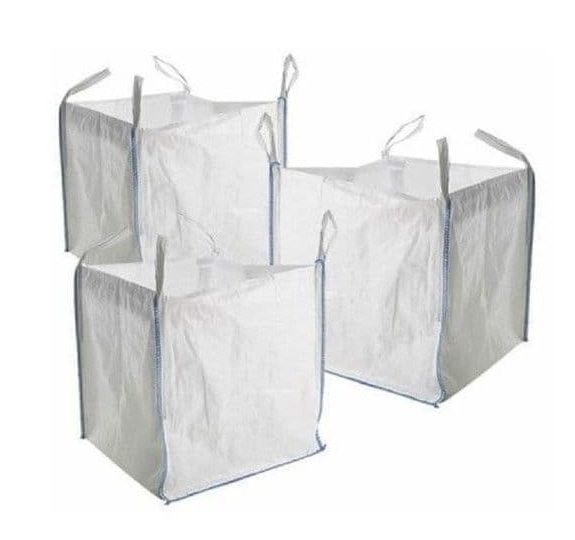
A mini one-tonne bag is a compact flexible intermediate bulk container made from woven polypropylene. It normally has an open top, flat base, reinforced seams and four lifting loops for handling with suitable equipment.
The main difference between mini and standard bulk bags is their footprint. Mini bags are shorter and narrower, making them easier to position in restricted storage areas, workshops and production environments.
Despite the name, not every mini bag carries one tonne. The current range includes both 500 kg and one-tonne-rated models, so the safe working load on the individual label must always be followed.
When Is a Smaller Bulk Bag More Practical?
Mini-profile bags are particularly useful when the material is dense enough to reach the required weight without filling a standard-sized bag.
They may suit:
- Metal parts, castings and offcuts
- Sand, aggregates and compact building materials
- Manufacturing by-products
- Suitable recyclable materials
- Seeds, feed and fertilisers
- General bulk handling in confined spaces
A smaller bag can also help businesses divide materials into more manageable quantities instead of partially filling a larger container.
Mini Bags for Steel and Manufacturing
Steel components, castings and metal offcuts can be extremely dense. A standard builders bag may become too heavy before much of its available volume has been used.
A compact bag can provide a more appropriate shape for these materials while taking up less floor space beside machinery, workstations or storage racks.
Sharp metal can still damage woven polypropylene. Avoid placing long, jagged or protruding pieces into the bag, and use a rigid container where the contents could puncture the fabric or create a handling hazard.
Construction and Landscaping Uses
Mini bulk bags can be useful for smaller quantities of sand, gravel, soil and aggregate. They may suit projects where several products need to be separated or where access is too restricted for a larger bag.
Possible applications include:
- Dividing decorative stone by colour or grade
- Delivering smaller quantities of aggregates
- Collecting suitable site materials
- Storing sand or soil in compact areas
- Keeping different landscaping products separate
Dense materials can reach the bag’s safe working load before it appears full. Filling should therefore be based on weight and the bag’s rating rather than available space.
Mini or Standard Builders Bag?
| Consideration | Mini-Profile Bag | Standard Builders Bag |
|---|---|---|
| Footprint | Smaller and easier to position in restricted areas | Better suited to sites with more available space |
| Typical contents | Dense materials and smaller quantities | General aggregates, soil and building products |
| Volume | Lower internal capacity | Greater capacity for bulkier materials |
| Load rating | 500 kg or one tonne, depending on the model | Depends on the individual bag specification |
Standard one-tonne builders bags may be more practical where greater volume is needed for lighter or bulkier materials.
The wider bulk tonne bag range also includes jumbo bags and barrow truck bags for different storage and handling requirements.
Check the Safe Working Load
The term “mini one-tonne bag” should not be treated as a universal weight guarantee. Check the label before filling and confirm:
- The safe working load
- The bag dimensions
- The safety factor
- Whether it is classified for a single trip
- Any restrictions on its contents or handling
Never exceed the stated rating or rely on appearance alone. Two bags of similar dimensions may have different constructions and capacities.
Handle Mini Bulk Bags Safely
Before lifting, inspect the fabric, seams and all four lifting loops. Do not use a bag with cuts, fraying, damaged stitching or an unreadable label.
The forklift, crane or hoist must be rated for the completed load. Use the lifting loops as instructed, avoid sudden movements and keep people away from suspended bags.
Mini-profile bags should also be:
- Filled evenly
- Kept within their stated safe working load
- Placed on firm, level ground
- Protected from sharp lifting equipment
- Secured appropriately during road transport
The lifting loops are designed for handling the bag. They do not replace the need to restrain it properly inside a vehicle.
Can Mini One-Tonne Bags Be Reused?
The current mini-profile bags are classified for a single-trip load. They should therefore complete one filling, transport and emptying cycle before being removed from lifting service.
A bag should not be refilled and mechanically lifted for a second journey simply because it appears undamaged. Repeated-use applications require a bag specifically designed and labelled for that purpose.
Choose the Bag to Match the Material
Mini one-tonne bags are a practical option for dense materials, smaller quantities and working areas where a standard builders bag occupies too much space.
The right model depends on the contents, required dimensions and load weight. Always check the individual rating and make sure the filling and lifting equipment suit the complete load.
Browse the available mini-profile bags, or contact Martins Mill Packaging with details of the material, approximate weight and preferred bag dimensions.

Martins Mill Packaging
We are a Halifax, West Yorkshire based supplier of high quality industrial and commercial packaging, materials & solutions, providing local and national deliveries, and competitive pricing, and have been trading for over 20 years.


